1. Governing Authority
Cosmetology, barbering, aesthetics, nail technology, and electrology in Delaware are regulated by the Delaware Board of Cosmetology and Barbering within the Division of Professional Regulation (DPR).
Primary resources:
- Board website: https://dpr.delaware.gov/boards/cosmetology/
- Delaware Code: Title 24, Chapter 51 (Cosmetology and Barbering)
- Administrative rules and applications via the DPR portal
- Shop (establishment) permits and individual practitioner licenses are both required
The Board issues licenses for practitioners, instructors, and permits for shops/salons and schools. Its primary objective is public protection from unsafe practices.
2. Individual Practitioner Licenses
Delaware issues licenses in multiple disciplines. Key requirements (verify current fees, hours, and procedures on the Board website):
| License Type | Minimum Age | Training Hours | Exams | Notes |
|-----------------------|-------------|------------------------------------|------------------------|-------|
| Cosmetologist | 16 or 17 | 1,500 school or 3,000 apprenticeship | Theory + Practical | Most common full-service license |
| Barber | Per Board | Barber-specific curriculum | Theory + Practical | Separate barber provisions |
| Aesthetician (Esthetician) | 16+ | 600 hours (verify current) | Per Board | Skin care focus |
| Nail Technician | 16+ | 300 hours (verify current) | Per Board | Manicuring / pedicuring |
| Electrologist | Per Board | Approved electrology program | Per Board | Specialized |
| Instructor | 18+ | Practitioner license + instructor training | Per Board | Requires active practitioner license |
Common Requirements for All Individual Licenses
- Proof of age and education (high school diploma, GED, or equivalent)
- Government-issued photo ID and Social Security card
- Completed application through DPR
- Passing scores on required theory and practical exams (often through approved vendor)
- Background check or fingerprinting if currently required
- Payment of all applicable fees
- License must be renewed on schedule; practicing on an expired license is prohibited
Apprenticeship Path: Delaware offers apprenticeship routes (e.g., 3,000 hours for cosmetology) under supervision of a licensed professional in a licensed shop.
Reciprocity: Out-of-state applicants may apply for reciprocity with proof of equivalent licensure and meeting Delaware requirements. Check current fee and documentation with DPR.
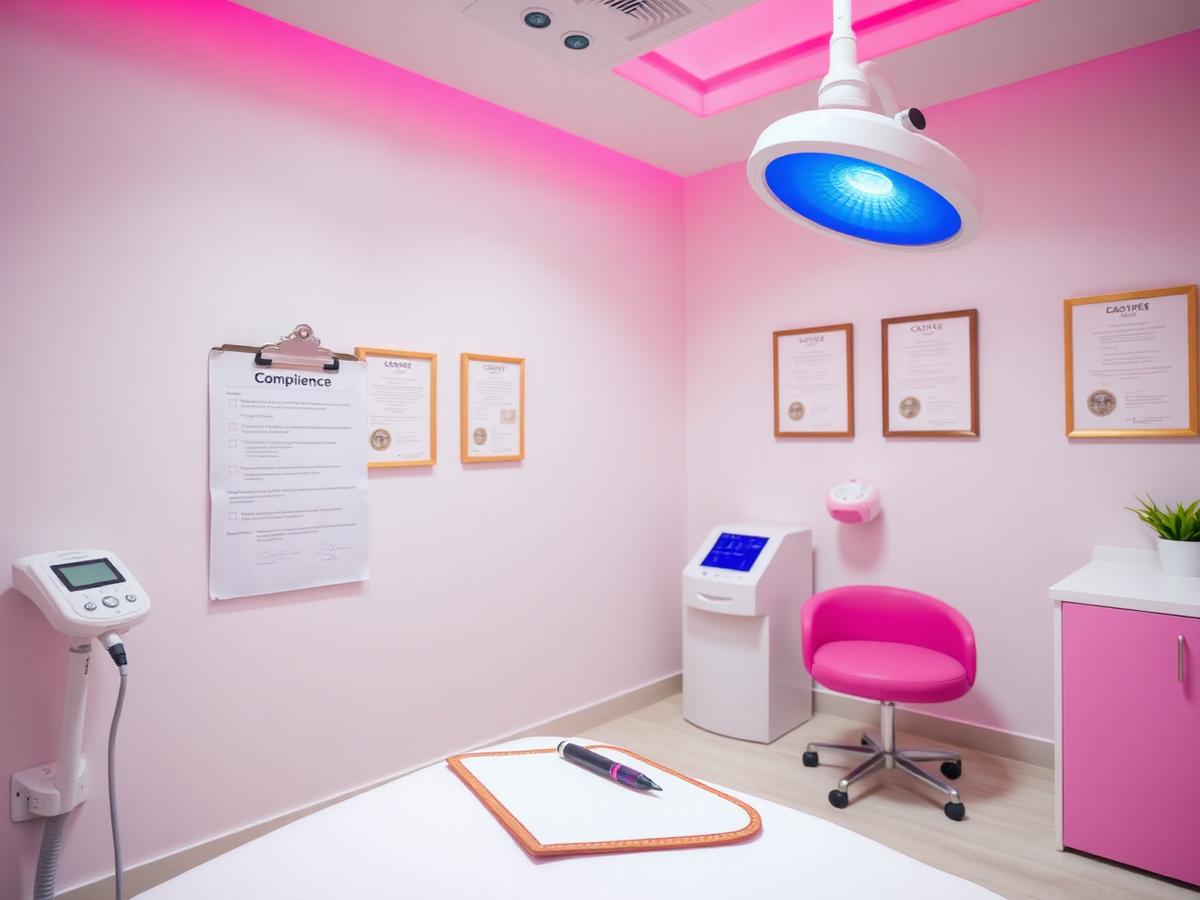
Licenses and shop permits must be conspicuously displayed.
3. Establishment (Shop) Permit
Every location where cosmetology or related services are provided to the public requires a current shop permit from the Delaware Board of Cosmetology and Barbering, regardless of whether practitioners are employees or independent contractors (booth renters).
Shop Permit Requirements (typical):
- Completed application and fee
- Proof of compliance with health, safety, and sanitation standards
- Adequate facilities: hot and cold running water, proper lighting and ventilation, restrooms, waste disposal
- Proper disinfection stations and labeled products with current expiration
- Display of all individual licenses and the shop permit
- Manager or responsible licensee on site during operating hours as required
- Compliance with local zoning, business licensing, and health department rules
Shop permits are typically renewed on a set schedule (verify current cycle on Board site). Operating without a valid shop permit is a violation.
4. Sanitation, Safety, and Infection Control
All licensees and shops must follow Board sanitation rules. Minimum expectations include:
- Use of EPA-registered disinfectants with proper contact times
- Single-use items discarded after one client
- Proper sterilization or disinfection of multi-use tools
- Clean linens and drapes for each client
- Hand hygiene before and after each service
- Proper storage of products and tools
- No animals in treatment areas (service animals excepted)
- Immediate reporting of accidents, infections, or unsafe conditions
A current copy of Board rules should be available on premises for review.
5. Booth Rental / Independent Contractor Considerations
Delaware salons commonly use booth rental (independent contractor) arrangements.
- Each renter must hold a current individual Delaware license in good standing
- The shop must still hold a valid shop permit
- Renter is responsible for own taxes, insurance, supplies, and client records
- True IC status requires renter control over schedule, pricing, methods, and clients
- Owner cannot treat renters as employees for tax or labor purposes without proper classification
- Misclassification carries significant penalties; consult a Delaware employment attorney and tax advisor
Written booth rental agreements are strongly recommended.
6. Inspections and Enforcement
The Board and local health authorities may conduct unannounced inspections. Common inspection items:
- Current licenses and shop permit posted
- Sanitation stations stocked and within date
- Proper waste disposal and sharps handling
- Clean facilities and equipment
- Recordkeeping (if required for certain services)
Violations can result in fines, license suspension, or permit revocation.
7. Fees, Renewals, and Portals (Approximate - Verify Current)
Fees, renewal periods, and exact procedures change. Always confirm on the official DPR / Board website:
- Individual license application / exam fees
- Shop permit application and renewal fees
- Late fees and reinstatement
- Online renewal is typically available through the state portal
Practitioners and shops must renew on time. Late renewals may require additional fees or continuing education.
8. Recent Changes and Compliance Notes (as of 2026)
- Monitor the Board's "Latest News" and rule updates for changes in training hours, exam vendors, hybrid learning, or sanitation standards.
- Any new legislation affecting scope of practice or shop ownership should be reviewed promptly.
- Delaware sales tax obligations apply to many services and retail product sales; consult the Delaware Division of Revenue.
9. Sales Tax, Insurance, and Other Business Obligations
- Collect and remit Delaware sales tax on taxable services and retail sales.
- Maintain appropriate business liability and professional liability coverage.
- Comply with local business licensing, zoning, signage, and health department requirements.
- Booth renters operating independently have separate tax filing obligations (self-employment, estimated taxes).
10. Inspection Preparation Checklist
- Confirm all personal licenses and shop permit are current and properly displayed.
- Review disinfection stations: disinfectants in date, labeled, correct contact times posted.
- Verify hot and cold running water, adequate lighting, ventilation, and restrooms.
- Ensure no prohibited items or animals on premises.
- Have Board rules printed or accessible.
- Maintain client records and service documentation ready for review.
- Confirm responsible licensee or manager availability during operating hours.
- Check first aid supplies and emergency procedures are in place.
11. Resources and Verification
- Delaware Board of Cosmetology and Barbering: https://dpr.delaware.gov/boards/cosmetology/
- Division of Professional Regulation main site: https://dpr.delaware.gov/
- Licensing applications, forms, and fee schedules: available on Board site
- Delaware Code Title 24 Chapter 51: https://delcode.delaware.gov/
- Delaware Division of Revenue (sales tax): official state site
- Local city/county business licensing and health departments
Important: This guide is a summary template for reference. It is not legal advice and does not replace direct verification with the Delaware Board of Cosmetology and Barbering, a qualified attorney, tax professional, or local authorities. Laws, rules, fees, and interpretations change. Confirm all requirements with primary official sources as of the date of use. As of 2026-06.
Prepared using publicly available information from the Delaware Board of Cosmetology and Barbering / DPR and related sources. Customize with your specific license numbers, policies, and current Board guidance. Maintain a copy of this guide with your salon records and update when rules change.
Additional Guidance
Salon owners and booth renters should maintain clear written agreements, separate business operations, and up-to-date records. For questions about scope of practice or new services, contact the Board directly before offering them. Continuing education requirements (if any) must be met for renewal.
Numbered best-practice reminders:
- Apply for shop permit before opening or offering services to the public.
- Ensure every practitioner has an active individual license posted.
- Document sanitation procedures and keep logs if required.
- Use written IC agreements for all booth renters.
- Renew on time and monitor the Board website for rule changes.
- Train all staff (including renters) on current infection control standards.
- Consult professionals for tax structure and employment classification.
Following these steps supports compliant, professional salon operations in Delaware.
 Policies & Compliance
 Front desk
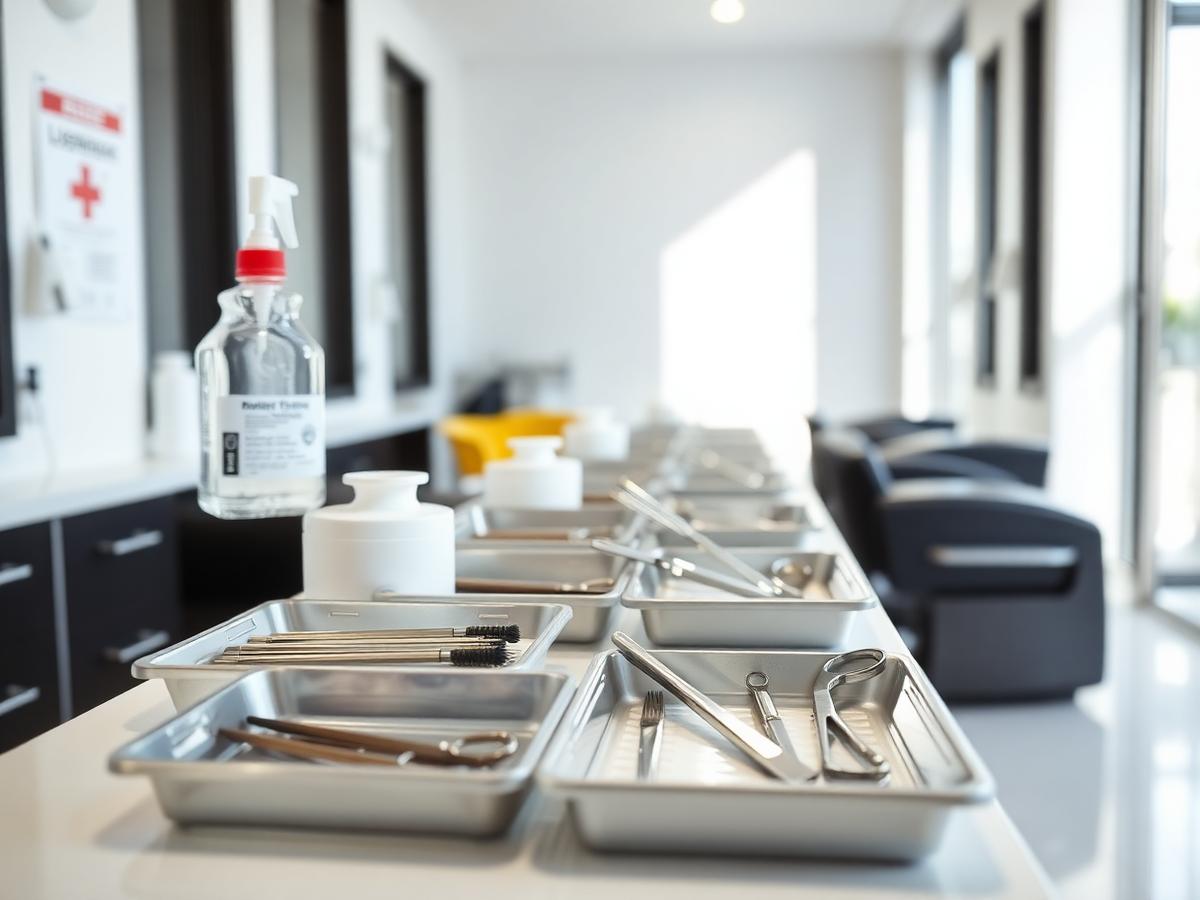 Inspection ready
 Team wide